

Volkswagen introduced its first ID-branded electric cars around six years ago, but their futuristic design language and divisive usability have not appealed to everyone, particularly more conservative customers. The updated ID.3 Neo has already improved matters, but it is the ID. Polo that truly represents a return to Volkswagen’s distinctly German roots.
Style
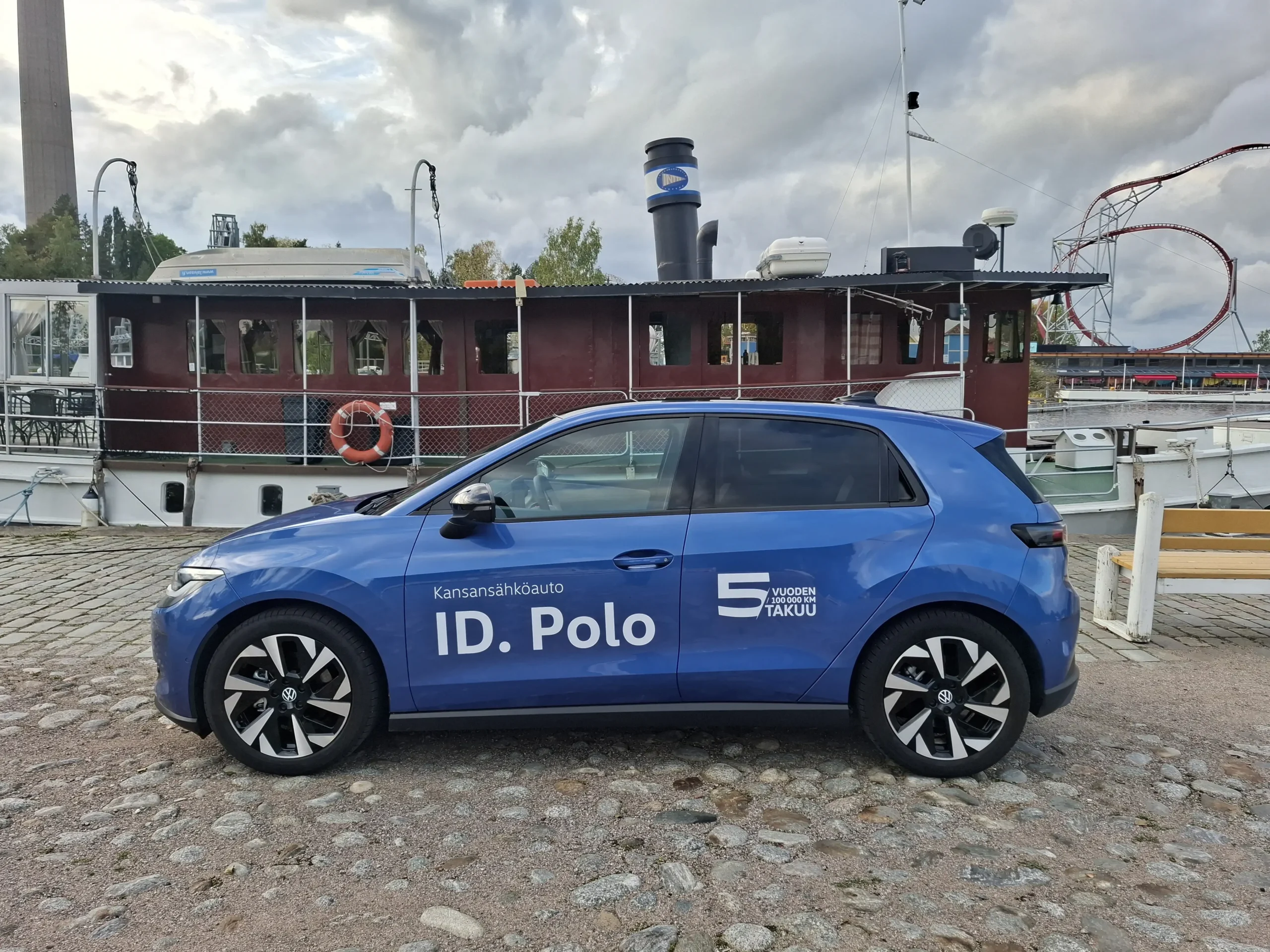
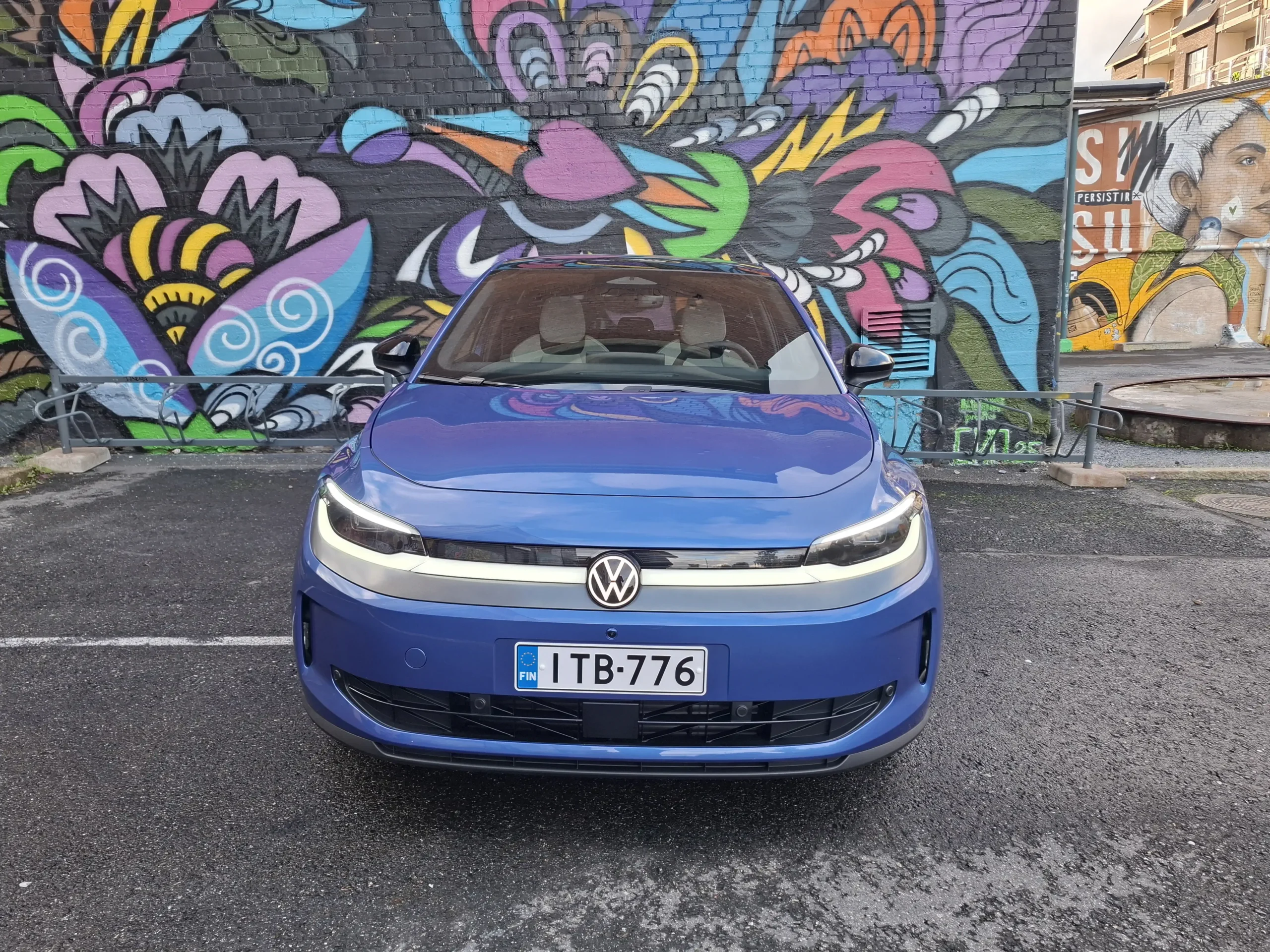
Volkswagen previewed its electric Polo with the ID. 2all concept unveiled in spring 2023, and the study’s lines have made it into production almost unchanged. The concept was designed by returning Volkswagen designer Andreas Mindt, who wanted to restore a more traditional VW character in place of the electric futurism seen in the ID range so far. Like many electric cars, the ID. Polo can look rather tall in photographs because of the battery pack beneath the floor, but in person its proportions are much more balanced.
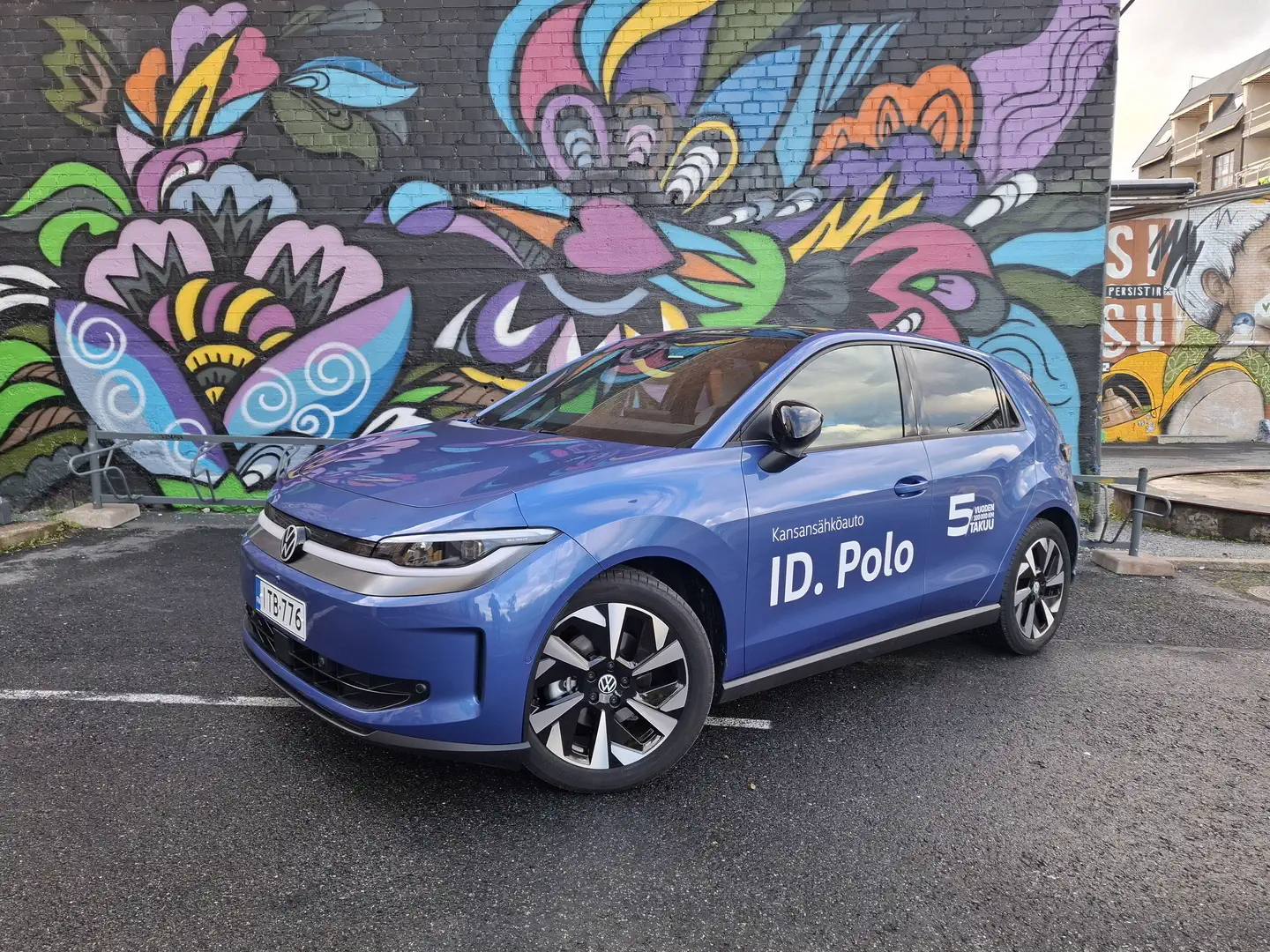
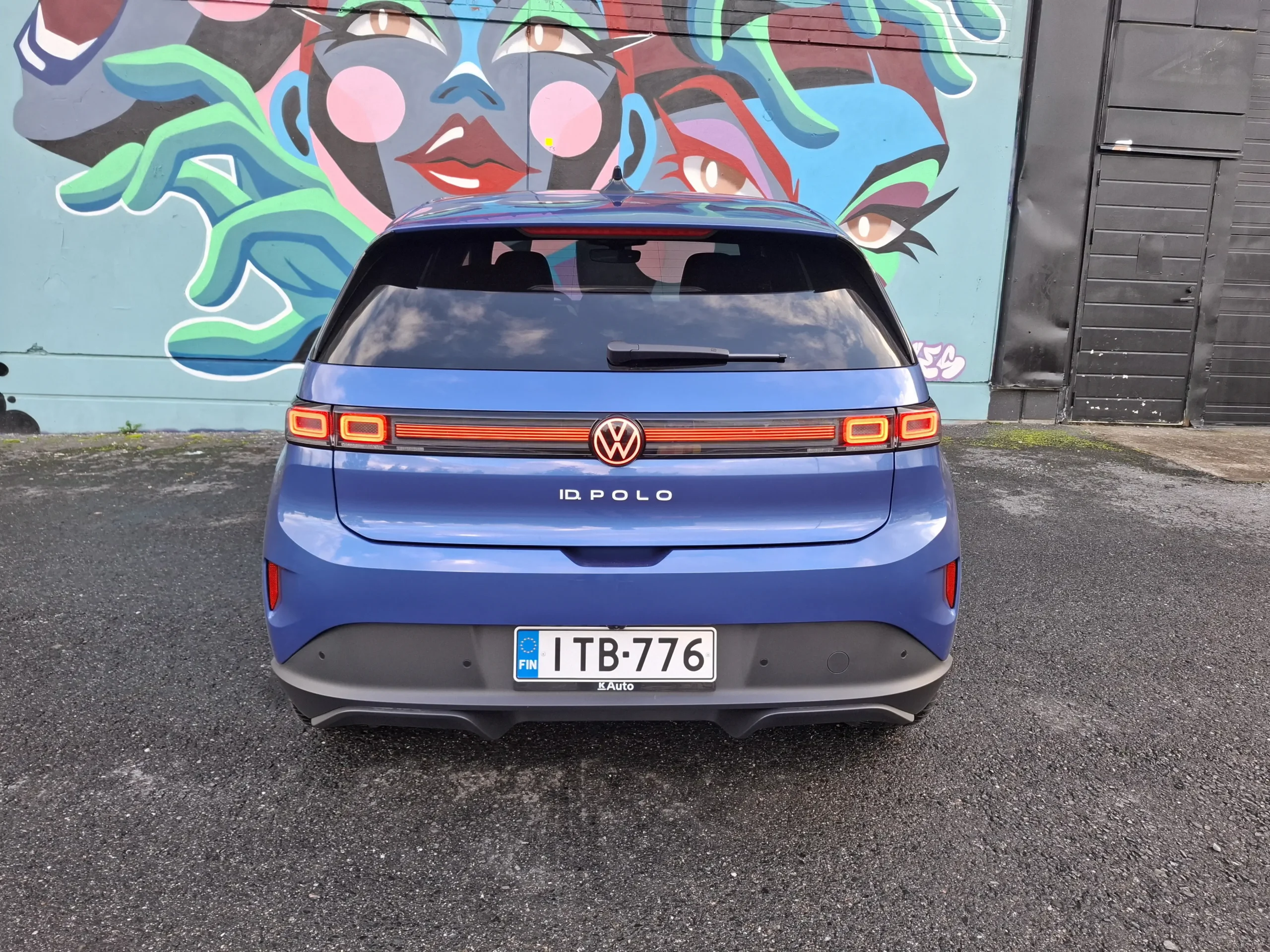
The otherwise inoffensive design gains some visual muscle from its flared wheel arches, whose inspiration can be traced to cars such as the Beetle and the fourth-generation Golf. The thick C-pillar, meanwhile, is a direct nod to Giorgetto Giugiaro’s original idea, a defining feature of every Golf generation for more than half a century.
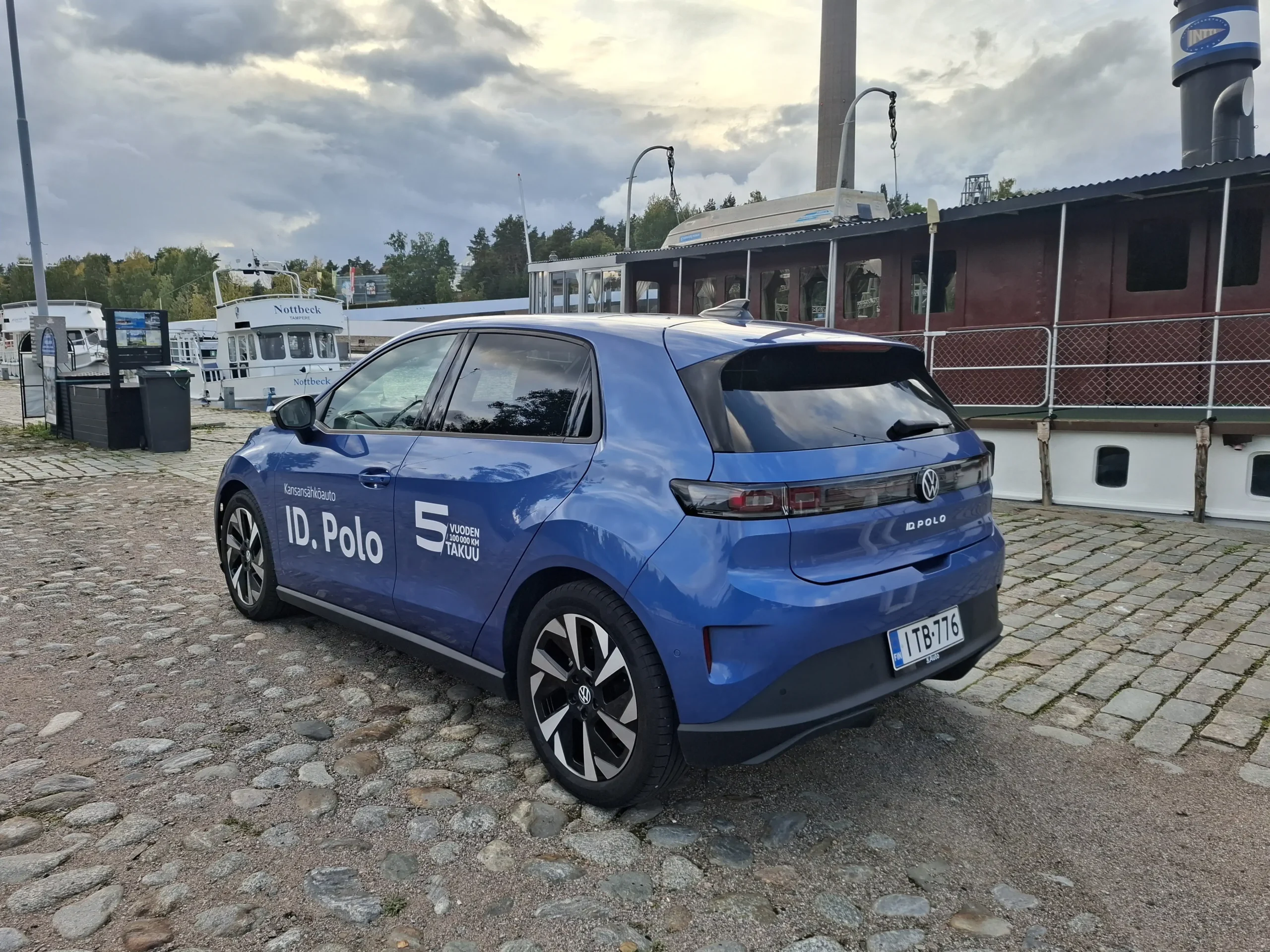
Full-width LED light bars at the front and rear are familiar from many current cars, as are the illuminated badges fitted to the more expensive ID. Polo versions at both ends. The electric Polo is actually a little shorter than the latest combustion-engined Polo, although it is wider and, in particular, taller. Most of that extra height is due to the battery beneath the floor, while the electric drivetrain otherwise allows for the familiar benefits of more efficient packaging.
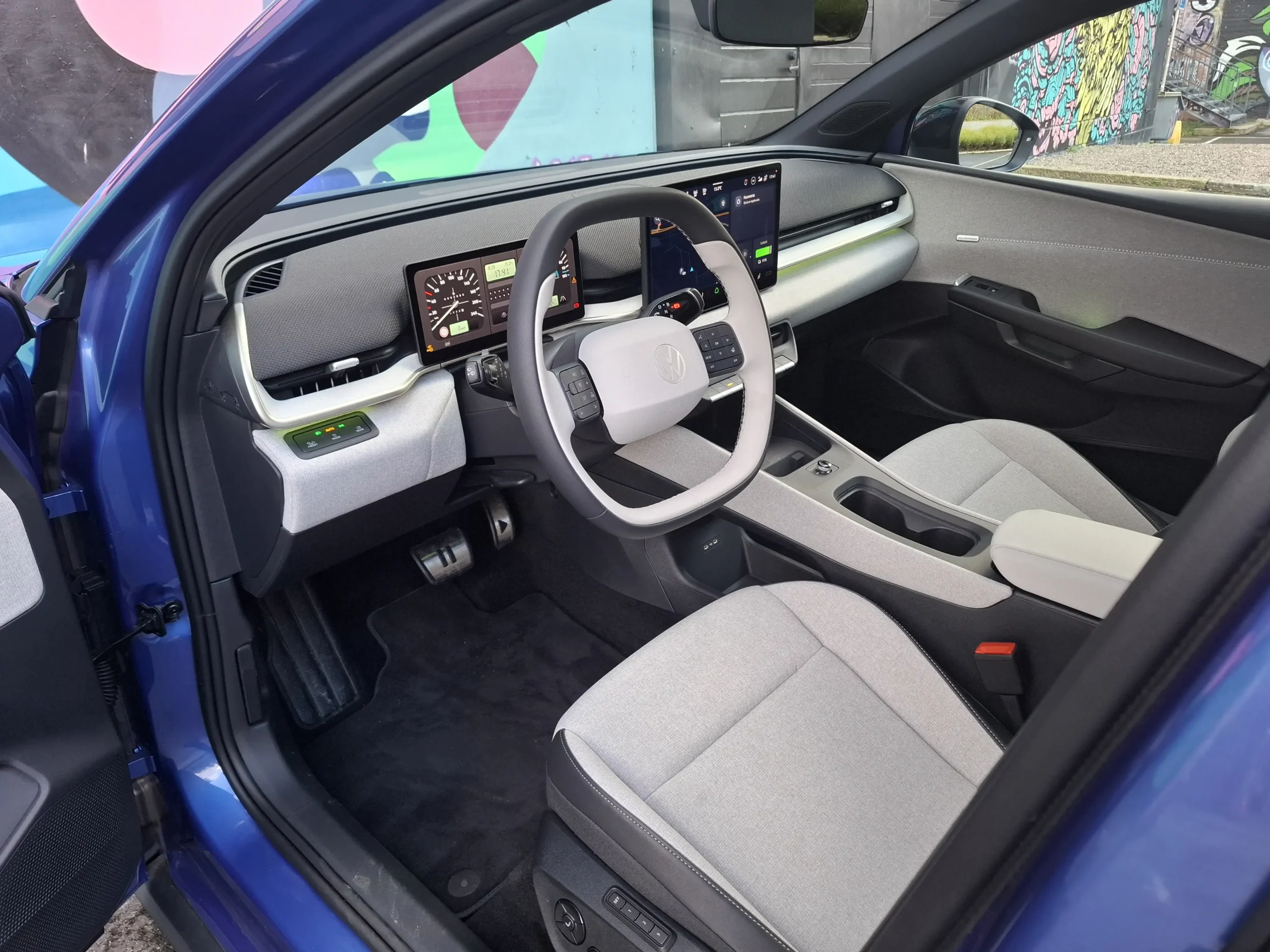
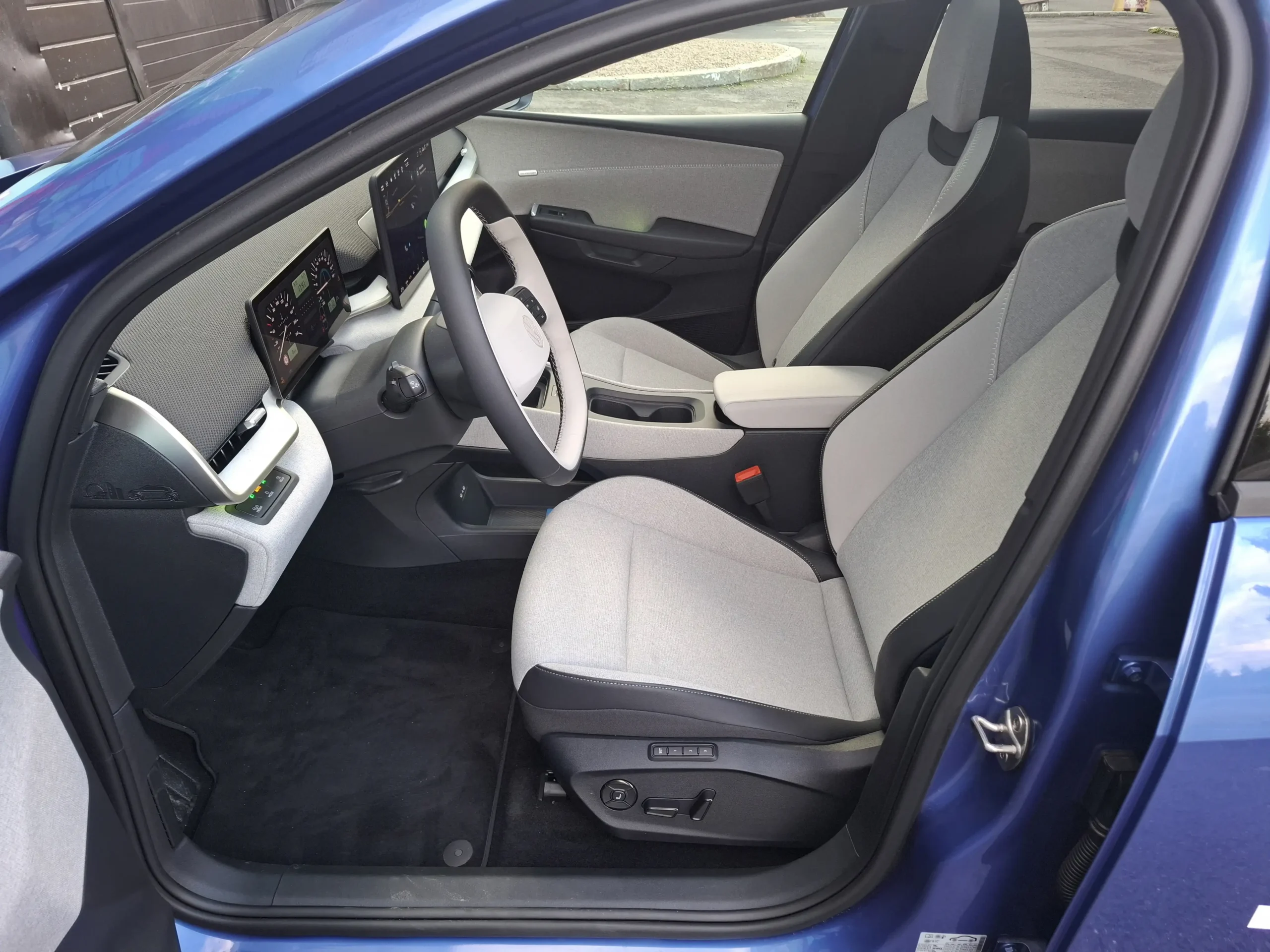
As a result, the ID. Polo feels closer to a Golf than a conventional Polo inside, with particularly generous space in the front seats. The fixed glass roof of our Style Launch Edition test car, rather than an opening panoramic sunroof, also contributes to the airy atmosphere.
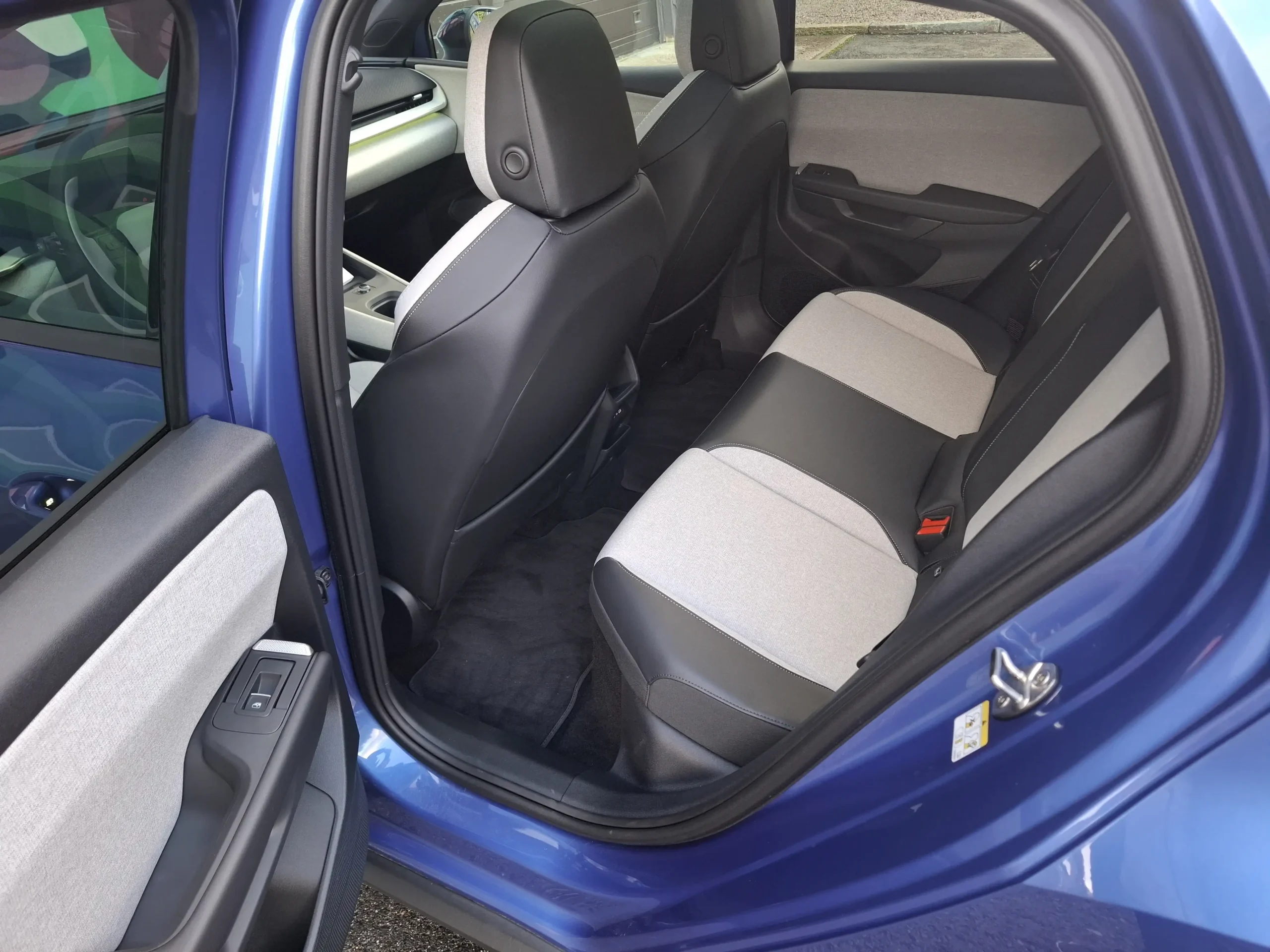
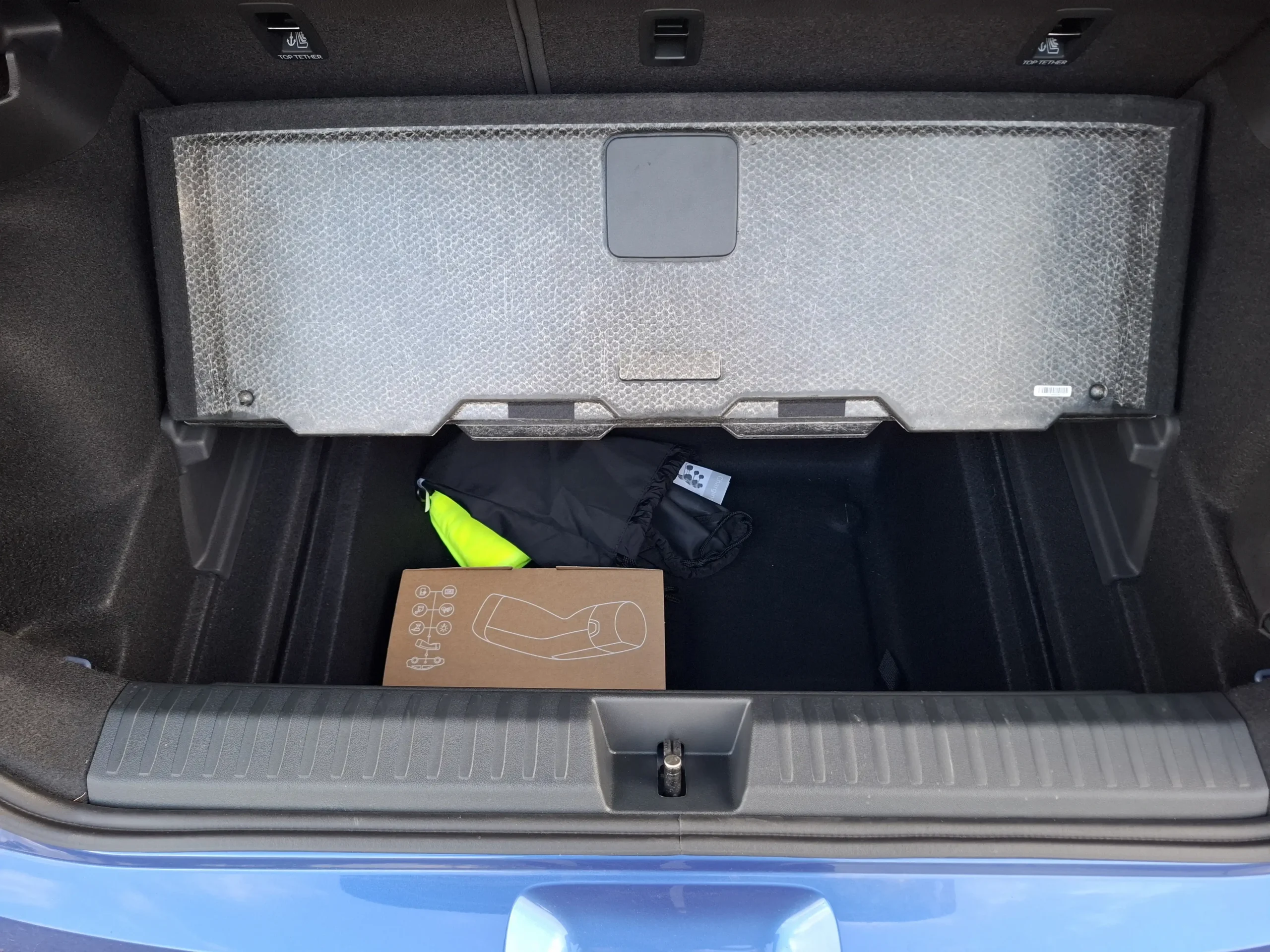
Rear legroom is also on a par with the Golf, meaning that even a passenger over 190 centimetres tall can sit behind a driver of similar height, at least for shorter journeys. The most surprising aspect of the electric Polo’s packaging, however, is the boot, whose official capacity of 441 litres is genuinely impressive for a B-segment car. It does not look especially large at first glance, but that impression changes when the false floor is removed. Beneath it is a well deep enough to accommodate a couple of larger suitcases in an upright position.
In terms of packaging, the Volkswagen clearly outclasses one of its strongest rivals, the Renault 5 E-Tech. The Renault counters with an interior that feels unusually upmarket and cheerful for a small car. Dreary plastics were one of the original ID.3’s problems, but Wolfsburg has learnt its lesson here as well. At least in the version tested, the difference in the ID. Polo is dramatic, and the cabin can now genuinely be described as inviting.
The fabric covering on the dashboard plays its part by drawing attention away from the harder plastics elsewhere in the cabin. Volkswagen has even seen fit to provide four individual window switches, while usability has taken an anti-digital leap forwards with conventional buttons on the steering wheel and in the centre of the dashboard.
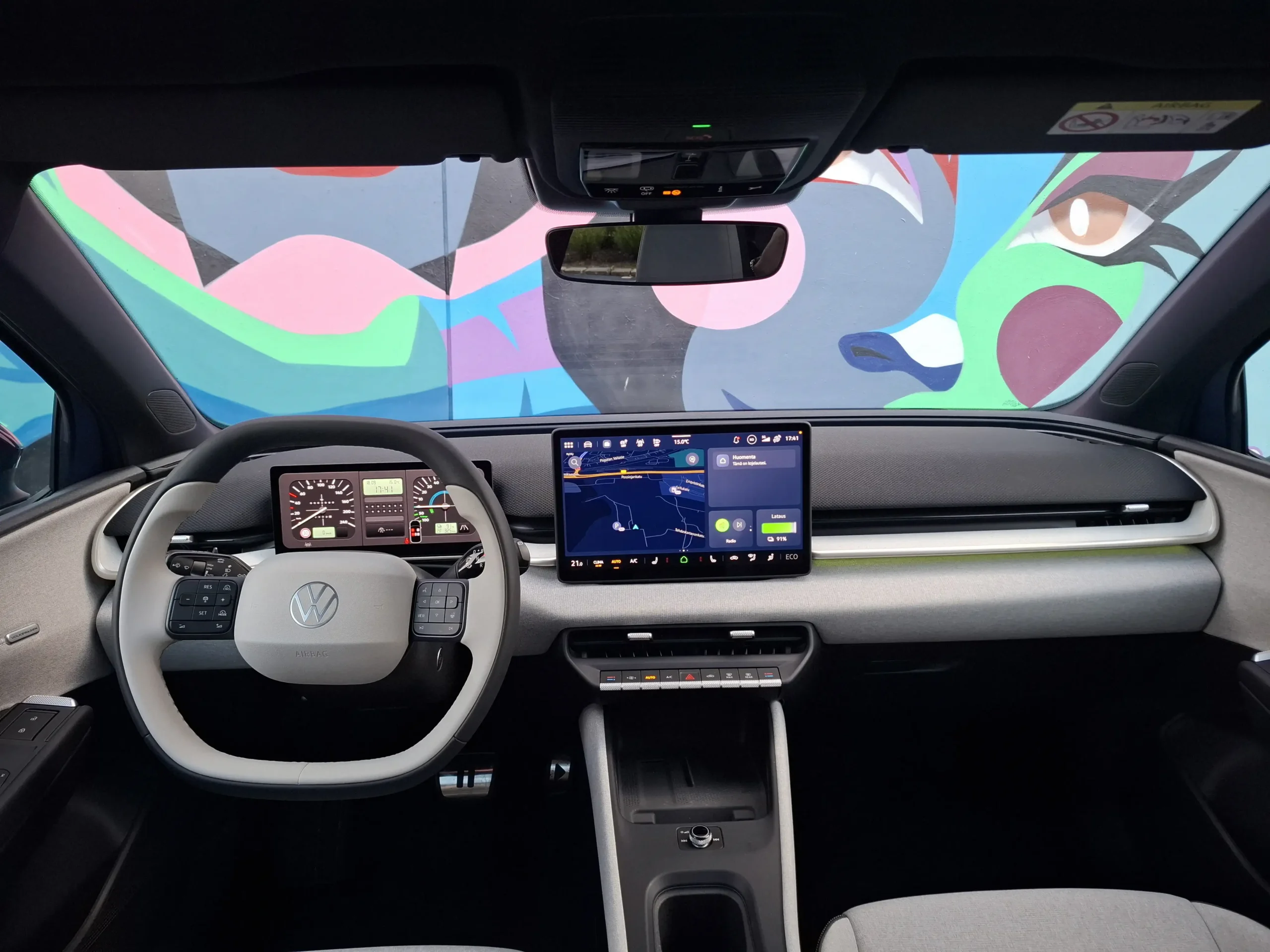
There is now a dedicated rotary control for the volume on the centre console, too. Compared with the awkward sliders Volkswagen has favoured in recent years, it feels like a welcome breeze from another era. The ID. Polo does not quite match the intuitive usability of more traditional cars, however. It is difficult to find a rational justification for the almost square steering wheel, and the windscreen wipers are now operated from the indicator stalk because the stalk on the right-hand side of the steering column selects the direction of travel. Turn the selector to B and the car can be driven using essentially one pedal, with little need to touch the brake.
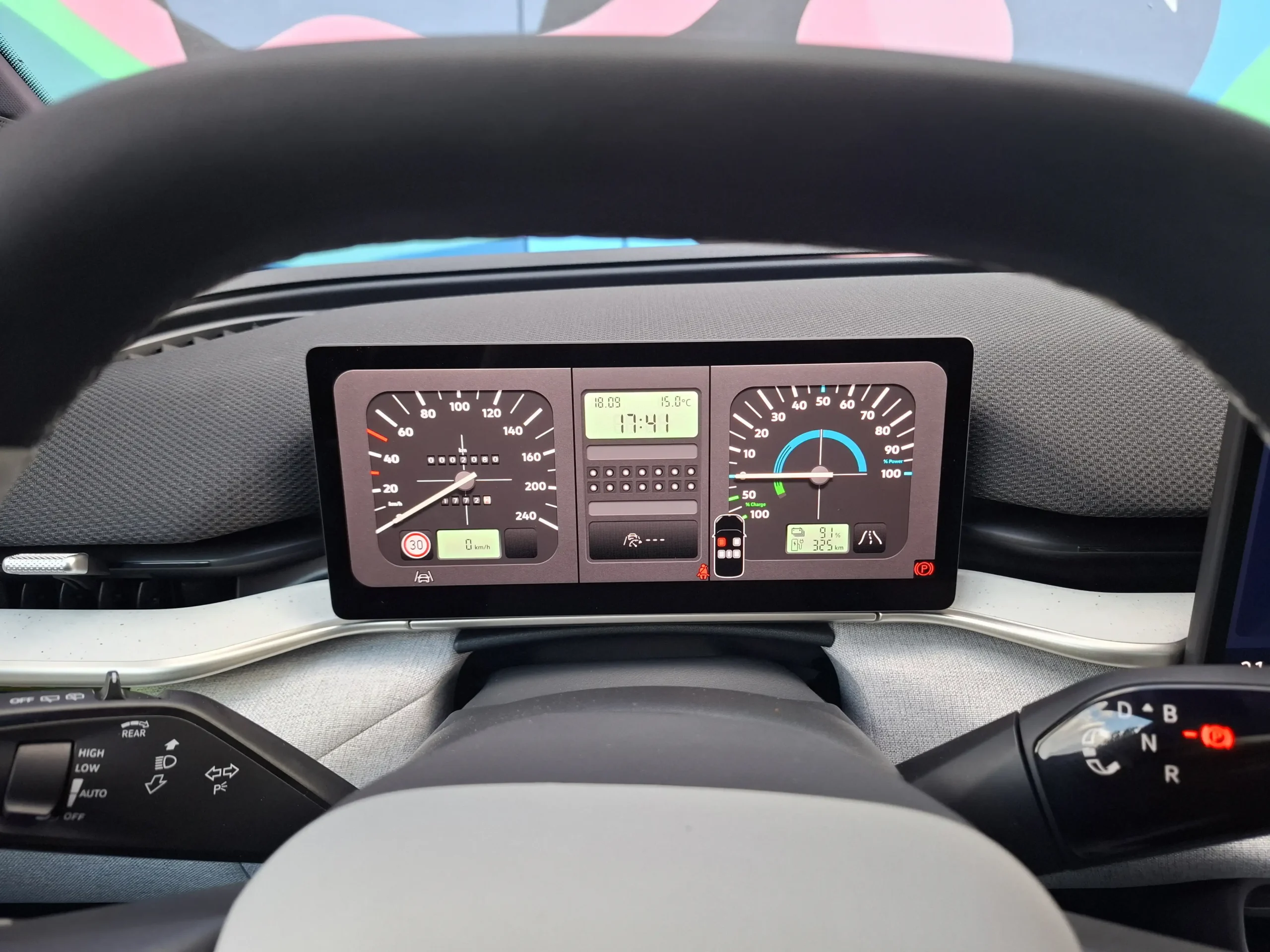
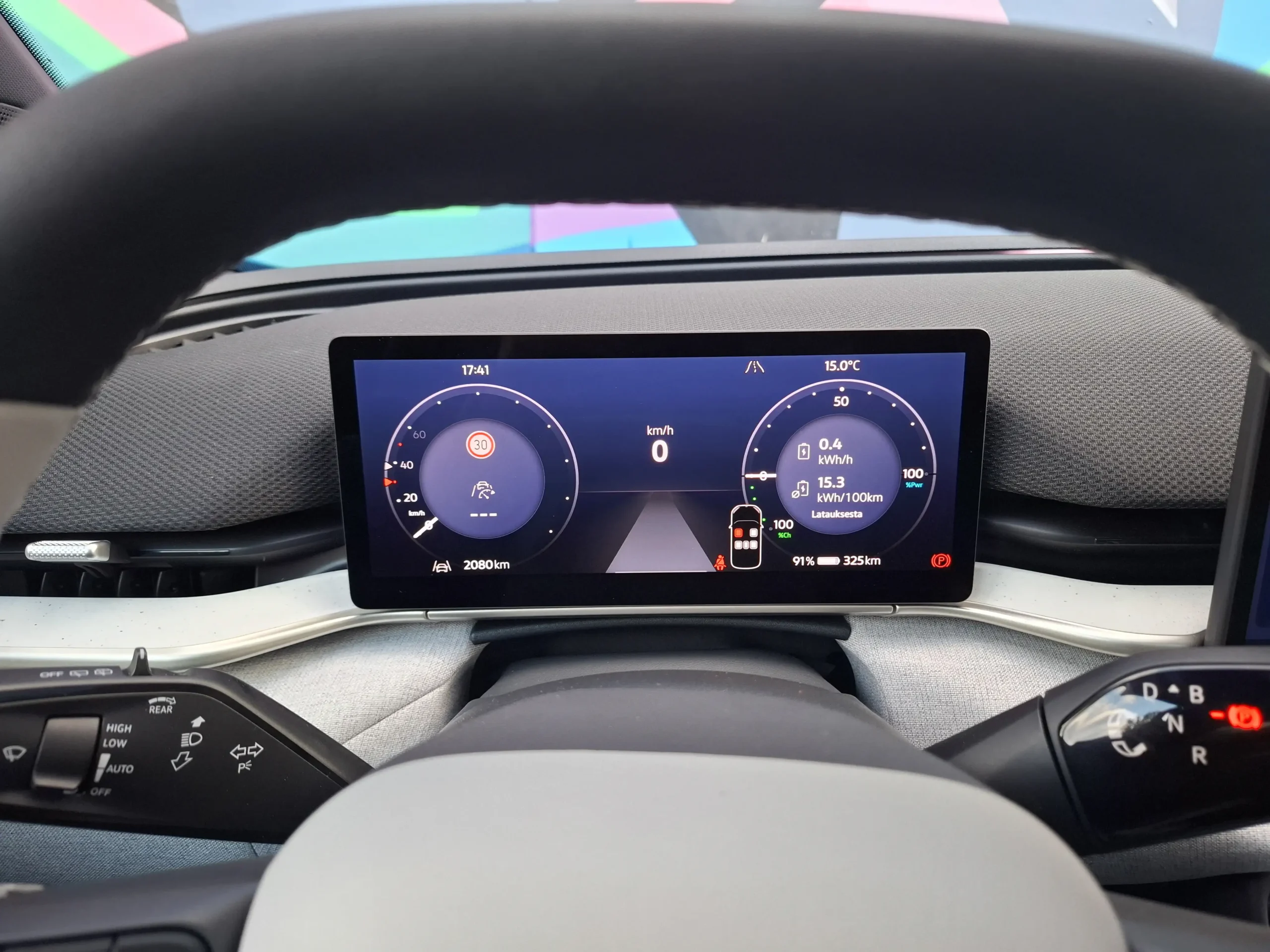
The instrument display deserves nothing but praise. It is sensibly sized, and one of its selectable layouts is a retro view with analogue-style dials inspired by the second-generation Golf. The rev counter has amusingly been replaced by a gauge showing the amount of electric power being used, and the characterful retro display is exceptionally easy to read compared with many of the alternatives.
The central screen also offers a retro radio display that evokes the days of the first-generation Golf and the Beetle in the 1970s. Volkswagen, too, has finally understood that the long heritage of European marques is precisely the weapon they should use when competing against Chinese manufacturers often perceived as lacking in soul.
Technology
The almost 13-inch central display is logical to use, at least for anyone familiar with recent Volkswagens, and the sluggish software of the earliest ID models is now firmly a thing of the past. Software bugs have not disappeared entirely, though. The radio in our test car stubbornly remained silent for several hours despite repeated attempts to reboot it, only returning to life the following day. An update offered by the car might have solved the issue, but there was no time to wait an hour and a half for it to install.
We needed to get one of the year’s most important new cars out on the road, and in this respect it did not disappoint. The ID. Polo is simply excellent to drive, to the extent that it is difficult to find much to criticise. The steering feels just right, without an excessively quick ratio added to create an artificial impression of agility. Consequently, this small electric car tracks straight and true on motorways and country roads almost without effort.
The ID. Polo feels even more at home in town, thanks to its effortless electric drivetrain and relatively tight turning circle. Its suspension strikes a convincing balance between comfort and firmness, while tyre noise is not especially intrusive despite the test car’s 18-inch wheels.
The ID. Polo is the first electric Volkswagen based on the architecture known as MEB+. Unlike the rear-wheel-drive foundations used by previous ID models, it brings front-wheel drive in the manner of combustion-engined Polos and Golfs. That may even be an advantage for traction in winter, while on dry summer roads there is little torque steer through the wheel despite the test car’s 210 horsepower.
On wet asphalt, by contrast, the front wheels can be made to spin under harder acceleration. When approaching the limits of grip through a corner, the nose begins to run wide before the stability control intervenes. In normal driving, however, the car is thoroughly benign, even though a 0–100 km/h time of just over seven seconds would once have put it firmly in GTI territory.
Our test car, the range-topping Style Launch Edition priced at around 35,000 €, has a 52 kWh battery and an official WLTP range of 442 kilometres. Starting with an almost full battery, the ID. Polo showed an estimated range of around 350 kilometres. Following a charge, it reported average consumption of just over 15 kWh per 100 kilometres.
In real-world driving, the electric Polo appears to be more economical than the Renault 5 E-Tech, for example. At less than 1,600 kilograms, the Volkswagen is also light by electric-car standards.
Feel
The ID. Polo does not serve up the same joie de vivre as the retro-styled Renault. Instead, it is a sensible and distinctly German package in the spirit of Volkswagen’s greatest hits. Its carefully measured retro references bring back the familiar and reassuring Volkswagen character that has been missing from the other ID models.
Volkswagen’s talk of an electric car for the people is not entirely unfounded on price, either, although models with the larger battery cost just under 32,000 € at minimum. In addition to the panoramic glass roof, the Style Launch Edition adds equipment including a tow bar, electrically adjustable front seats with a massage function, 360-degree cameras, parking assistance and Travel Assist for partially automated driving. The latter also seems to work very well.
Compared with traditional small cars, a fully equipped ID. Polo is therefore close to luxury territory. Considerably cheaper versions are available if you can settle for the smaller 37 kWh battery, 116 horsepower and Trend or Comfort trim. Prices then start at 26,390 €, although the official range falls to 323 kilometres and deliveries will not begin until next year.
Ultimately, the ID. Polo feels like the car the ID.3 should have been from the outset. Volkswagen now has a model with every chance of continuing the Beetle’s and Golf’s legacy as one of the marque’s bestsellers. The order books support that view: European orders have already passed the 30,000-car mark.
Further information: Volkswagen